

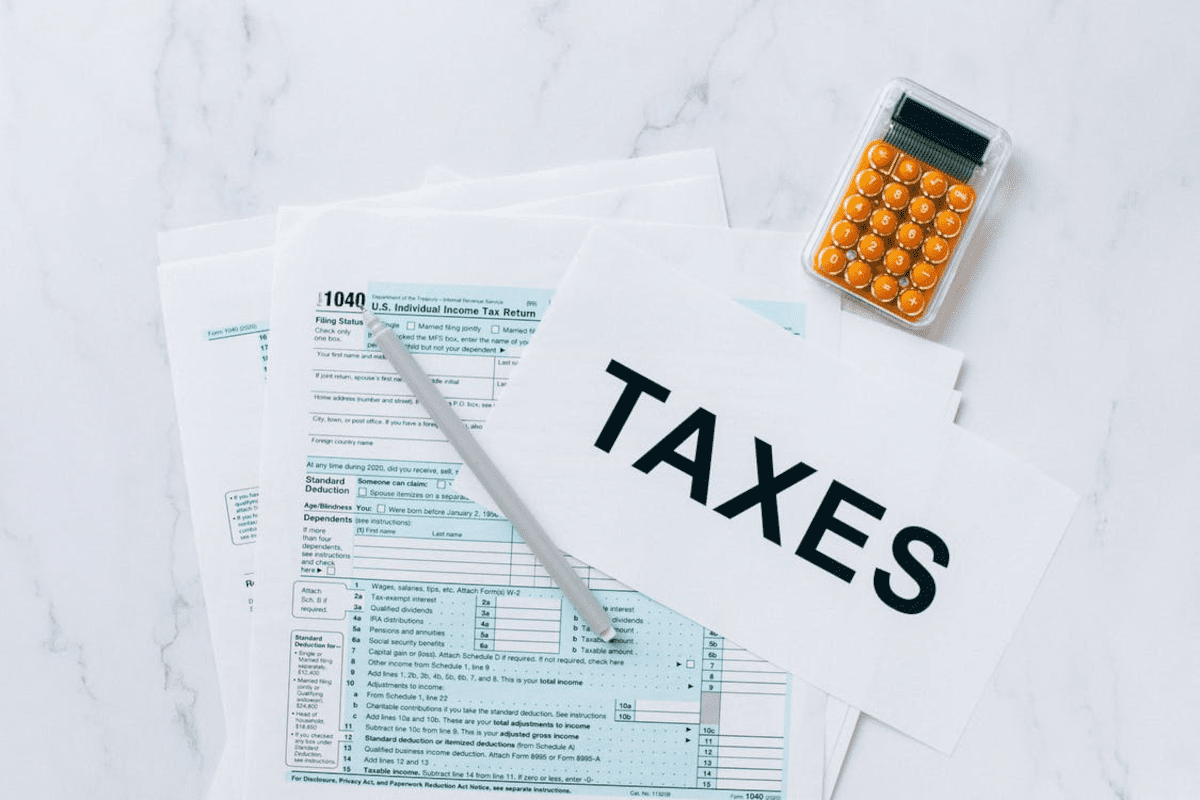
You can expect to pay roughly $50–$150 for a basic personal tax return, $200–$500 if you’re self-employed, and several hundred to a few thousand dollars for corporate or complex returns depending on the firm and complexity. If you want a quick estimate: simple returns often cost under $150, mid-range self‑employed filings run $200–$500, and corporate or highly complex tax filings can range from $700 to $2,500+.
Decide how much expertise you need and what parts of your financial life demand professional attention this article breaks down service types, typical price ranges, the factors that drive fees, and how those costs compare to doing taxes yourself so you can choose the most cost‑effective option for your situation.
Types of Tax Preparation Services
You can choose from solo practitioners, boutique firms, licensed accountants, or software-driven platforms. Each option differs in cost, expertise, turnaround time, and the level of personalized advice you receive.
Independent Tax Professionals
Independent tax preparers often work as sole proprietors or small partnerships. You’ll typically find lower hourly rates or flat fees for standard personal returns, often ranging from about $50 for very simple filings to a few hundred dollars for self‑employed or multi‑province situations.
These professionals can be flexible with appointments and may offer in‑person or remote services. Ask about their credentials, experience with CRA audits, and whether they provide electronic filing and year‑round support.
Expect less capacity for complex corporate tax work or bookkeeping unless they advertise those services. Verify whether they carry professional liability insurance and request client references for peace of mind.
Tax Preparation Firms
Tax preparation firms range from local storefronts to regional chains. You’ll get predictable pricing tiers based on return complexity, with staff trained to handle common deductions, benefits, and CRA forms.
Firms can process large volumes quickly, which helps during peak season. You’ll benefit from standardized procedures, upfront pricing estimates, and options for add‑ons like payroll setup or T4 preparation.
However, you may meet different preparers each year, reducing continuity. Check reviews, ask about escalation procedures for disputes, and confirm whether the firm guarantees e‑file transmission and provides a tax summary you can retain.
Chartered Professional Accountants
Chartered Professional Accountants (CPAs) offer the highest level of formal training and regulatory oversight. You’ll pay more often several hundred dollars for complex personal returns and $700–$1,500+ for corporate filings because CPAs provide tax planning, compliance, and representation before the CRA.
Choose a CPA when you have rental income, multiple businesses, significant investments, or potential audit risk. CPAs can prepare year‑end statements, advise on tax‑efficient structures, and coordinate with lawyers or financial planners.
Confirm the firm’s billing method (flat fee vs hourly), whether partner oversight is included, and if they offer year‑round advisory services beyond the tax season.
Online Tax Filing Solutions
Online solutions include government‑certified software, subscription platforms, and guided interview tools. You’ll often pay a low one‑time fee or subscription some basic personal returns are free while more complex returns incur charges around $20–$100 or more plus optional live help from tax pros.
These platforms speed up filing with data imports (T4, T5, CRA Auto‑Fill), built‑in CRA rules, and audit‑check features. They suit straightforward employment income, tuition credits, and modest investments.
If your return involves business income, multiple provinces, or complex capital gains, verify that the software supports those scenarios or offers an add‑on service where a human reviews your filing.
Cost Breakdown by Service Provider
You’ll see price ranges from low-cost DIY software and tax clinics up to senior CPAs handling multi-entity corporate returns. Expect predictable fees for simple personal filings and rising costs as you add business income, investments, or cross-border issues.
Typical Fees for Basic Returns
Basic personal returns without business or rental income usually cost the least. Simple filings with only T4s and common credits often start around CAD 50–150 if you use a tax preparer or community clinic. Online tax-prep software or automated services can be cheaper, frequently under CAD 50 for a single return.
If you hire a junior preparer or a small accounting firm, expect CAD 100–250 for a personal return that includes a few slips (T4, T5) and common deductions. Prices climb if you live in a high-cost city or need in-person appointments. Ask whether the quoted fee includes CRA correspondence or audit support.
Cost Factors for Complex Returns
Complex returns require more time, expertise, and documentation, and that drives fees. Self-employed or freelance returns commonly range CAD 200–500, depending on bookkeeping quality and number of schedules. Rental property owners, investors with capital gains, and those with multiple income sources should budget toward the higher end.
Corporate filings, partnerships, and multi-jurisdictional returns start substantially higher. Small-business corporate tax services often begin around CAD 700–1,500+. Specialized expertise—estate returns, non-resident filings, or significant capital transactions—adds hourly work and can push costs well beyond standard ranges. Confirm hourly rates and estimate total hours before engaging.
Additional Charges for Specialized Services
Some services come with add-on charges that you should confirm up front. Examples include bookkeeping cleanup, payroll setup, tax planning consultations, and penalty/interest negotiations with the CRA. Bookkeeping setup or cleanup often has a separate fee (commonly CAD 200–500+), while payroll software setup can include monthly subscription fees plus an initial onboarding charge.
Audit representation, complex tax planning, and corporate restructuring usually bill at senior accountant or partner rates. Expect higher hourly rates for partners and CPAs with niche expertise. Request a written fee schedule that lists routine services included and which items are billed separately so you can avoid unexpected invoices.
Key Factors Affecting Pricing
Several concrete variables determine what you’ll pay: how many income streams and deductions you have, where you live, and the qualifications of the preparer you choose. Each factor can shift a straightforward fee into a higher bill when complexity, market rates, or specialist credentials come into play.
Complexity of Your Tax Situation
If you have only T4 employment income and a basic RRSP contribution, preparers often charge a flat or low hourly fee because the forms and calculations are routine. Adding items such as self-employment income, rental properties, capital gains, foreign income, or complex investment accounts increases both time and risk for the preparer, which raises the price.
Expect surcharges for additional schedules and forms (e.g., T2125 for business, T776 for rentals, T1135 for foreign assets). The amount of documentation you bring also matters: messy records take longer to sort, so the preparer may bill more. If you need amended returns, audits support, or tax-planning advice alongside filing, preparers typically bill higher hourly rates or a bundled fee.
Location and Regional Differences
Urban centres like Toronto, Vancouver, and Calgary generally have higher fees due to increased overhead and market rates. Remote or smaller communities often feature lower rates but fewer highly specialized preparers, which can matter if your taxes are complex.
Provincial tax rules and provincial credit forms can add time depending on where you file, so a preparer in one province may charge more to keep up with different provincial schedules. Seasonal demand (February–April) also drives prices up in busy markets; booking outside peak season can sometimes secure a lower rate.
Experience and Credentials of the Preparer
A certified chartered professional accountant (CPA) or tax specialist with years of experience commands higher fees because they reduce audit risk and can optimize deductions and credits you might miss. Newer preparers or tax clinic volunteers cost less but may lack expertise for complex issues.
Look for preparers who offer audit protection or represent you before CRA those services typically cost more but provide direct value if problems arise. Check for tertiary qualifications, professional liability insurance, and client references; higher fees often reflect greater accountability and technical skill.
Comparing DIY and Professional Tax Filing Costs
You’ll weigh direct costs, time, and risk when choosing between doing your taxes and hiring someone. Consider software or clinic fees, your return complexity, and potential audit or reassessment exposure.
Average Expenses for Self-Filing
Self-filing costs range from free to about $50–$100 for premium consumer tax software per year. Basic online options or the CRA’s NETFILE-compatible free versions often cover simple T4-only returns at no charge.
If you use paid software, expect fees for extra forms (rental income, capital gains) or multi-year filing typically $20–$100. Paper filing has no software cost but costs you time and possible mailing fees.
Account for your time: even a simple return can take 1–3 hours; complex self-preparation (rental properties, self-employment) can take many hours. If you outsource only specific tasks (review, CRA correspondence), add pay-per-service charges or hourly consultant rates.
Potential Savings and Risks
Hiring a tax preparer typically costs $150–$350 for a straightforward personal return and $200–$500+ for self-employed filings; corporate or multi-state returns cost more. You save time and reduce audit risk for complex situations, but you pay for that insurance.
Mistakes in DIY filings can trigger reassessments, missed deductions, or penalties. A professional can identify uncommon credits and optimize tax position, sometimes saving more than their fee. Check credentials (CPA, CGA, or recognized tax preparer) and confirm pricing flat fee versus hourly and whether audit support is included.
Tips for Choosing a Tax Preparer
Choose someone who understands your exact filing needs, charges transparently, and communicates clearly. Verify credentials, review fees for the services you require, and confirm how they handle audits and data security.
What to Look for in a Service Provider
Look for a credentialed professional: a Chartered Professional Accountant (CPA), Chartered Accountant (CA), or an experienced tax lawyer for complex corporate or estate matters. For simpler returns, an experienced tax preparer with verifiable client references can suffice.
Confirm the firm’s areas of specialization. If you have rental income, self-employment income, or capital gains, pick a preparer who regularly handles those issues. Ask whether they prepare returns in-house or outsource any work.
Check fee structure and billing method. Many providers charge flat fees by return type (personal basic, self-employed, corporate) or hourly rates; request a written estimate that lists tasks included. Verify availability during tax season and after filing for questions or audits.
Questions to Ask Before Hiring
Ask for credentials and recent references. Request examples of similar returns they completed and ask whether they keep professional liability insurance.
Ask how they calculate fees and what is included. Specific questions: “Does this price include audit support?” and “Are there extra charges for e-file or multiple slips (T4, T5, T5018)?” Insist on a written engagement letter.
Clarify data handling and deadlines. Ask how they transmit and store your documents, what security measures they use, and who will sign the return. Confirm turnaround times and how they handle CRA notices or audits after filing.

Leave a Reply