


Small business owners in Canada face unique challenges when navigating tax planning in 2025. Changes in tax rates, deductions, and government policies require a strategic approach to minimize liabilities and maximize savings. Understanding these factors is essential for maintaining healthy cash flow and long-term financial stability.
Incorporating the business to access lower corporate tax rates and taking full advantage of available deductions and credits are among the most effective ways to reduce tax burdens in 2025. Additionally, contributions to retirement savings plans can provide both immediate tax relief and future security. Staying informed about new CRA regulations and year-end planning opportunities will help business owners avoid penalties and optimize their tax position.
By focusing on these key strategies, small business owners can confidently manage their taxes while creating space for reinvestment and growth. This article explores practical tax planning techniques designed specifically for the Canadian business environment in 2025.
Understanding the Canadian Tax System for Small Businesses
Small business owners in Canada must navigate a complex tax system that includes key obligations, recent regulatory changes, and strict compliance deadlines. Understanding these elements ensures accurate tax reporting and helps optimize financial management throughout the year.
Key Tax Obligations for Small Business Owners
Small businesses in Canada are required to register for a Business Number (BN) with the CRA. They must collect and remit Goods and Services Tax/Harmonized Sales Tax (GST/HST) if their revenue surpasses $30,000 annually.
Income reporting applies whether the business is a sole proprietorship, partnership, or corporation, with different tax rates and filing requirements for each structure.
Payroll deductions for employees—including income tax, Canada Pension Plan (CPP), and Employment Insurance (EI)—must be calculated precisely and remitted on schedule.
Maintaining organized financial records is critical for accurate tax filing and supporting any claims for deductions or credits.
Important 2025 Tax Changes Affecting Small Businesses
In 2025, new CRA guidelines tighten rules around deductible expenses, especially those related to home offices and vehicle use. Businesses must keep detailed logs and receipts to substantiate claims.
The small business deduction limit remains at $500,000, but certain industries face phased reductions based on revenue thresholds and passive income levels.
Enhanced digital reporting requirements began in 2024 and have expanded, making electronic filing mandatory for most returns and CRA correspondence.
New incentives have been introduced to support research and development, particularly in technology sectors, offering refundable tax credits.
Deadlines and CRA Compliance
Key CRA deadlines include the corporate income tax return, generally filed within six months after the fiscal year-end. Sole proprietors and partnerships follow the personal tax return deadline of April 30.
GST/HST returns are mostly filed quarterly, with some businesses on annual or monthly schedules based on their revenue size.
Payroll remittances have strict monthly or quarterly due dates, varying by employer size.
Late filings or payments result in penalties and interest charges, with increased scrutiny on accurate reporting during audits.
Timely compliance reduces financial risks and maintains good standing with tax authorities.
Structuring Your Business for Tax Efficiency
Selecting the right business structure influences tax obligations, liability, and income management. Deciding on incorporation, fiscal year-end, and income-splitting strategies can reduce tax burdens and improve cash flow.
Sole Proprietorship vs. Incorporation
A sole proprietorship is simple to establish and has minimal regulatory requirements. Income from the business is reported directly on the owner’s personal tax return, and profits are taxed at personal income tax rates.
In contrast, incorporation creates a separate legal entity with its own tax obligations. Corporations benefit from lower tax rates on the first $500,000 of active business income through the small business deduction. This can significantly reduce overall taxes compared to personal rates.
However, incorporation involves increased administrative costs and compliance requirements. Owners must balance tax savings against the expenses and legal protections offered by a corporation.
Choosing the Right Fiscal Year End
Small businesses can select a fiscal year end that aligns with their cash flow and tax planning needs. This choice determines the tax reporting period and affects when taxes are payable.
Many businesses opt for a fiscal year-end that allows deferral of income recognition to a later date. For example, selecting a year-end just before peak expenses can reduce taxable income in that year.
Corporations have flexibility to choose any fiscal year-end, but personal tax rules restrict sole proprietors and partnerships to the calendar year. Strategic selection helps manage tax liabilities and working capital more effectively.
Income Splitting Opportunities
Income splitting lowers taxes by distributing income among family members in lower tax brackets. Common methods include paying salaries to family employees or dividends to family shareholders in incorporated businesses.
Incorporated businesses can also employ income sprinkling, but recent tax rules restrict this practice to ensure payments align with actual work or capital contributions.
Proper documentation and adherence to CRA guidelines are essential to avoid penalties. Income splitting requires careful planning to legally optimize the tax benefits without triggering attribution rules.
Maximizing Deductions and Credits
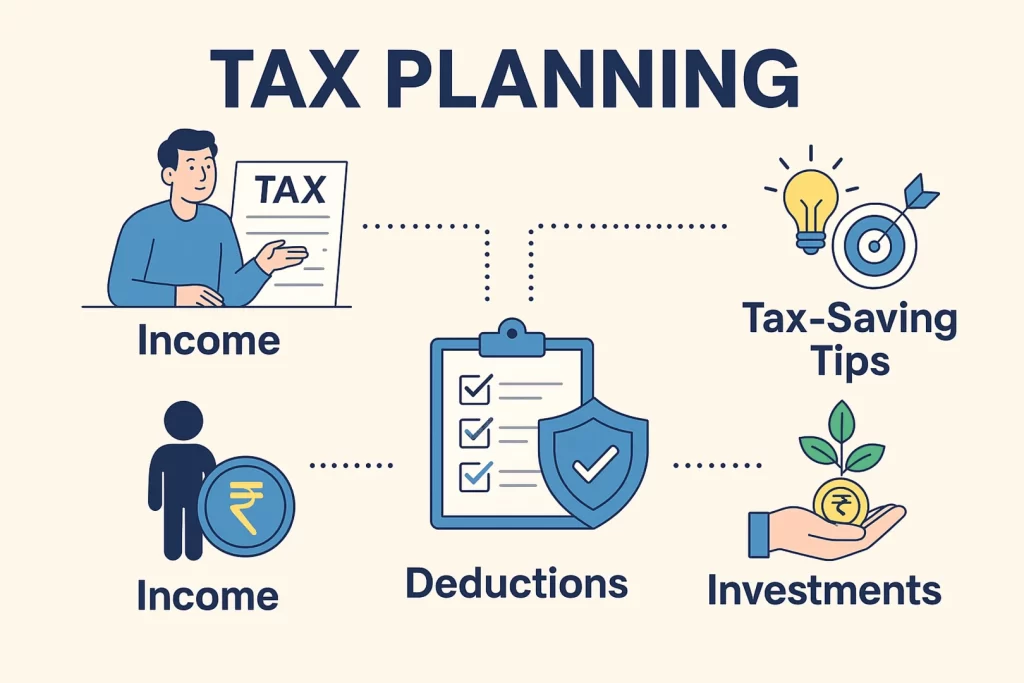
Small business owners in Canada should focus on deducting all allowable business expenses, optimizing home office claims, leveraging capital cost allowances, and exploring specific tax credits like the SR&ED program. These measures help reduce taxable income and increase cash flow.
Eligible Business Expenses
Deductible business expenses include costs directly related to operating the business, such as salaries, utilities, office supplies, advertising, and professional fees. Only expenses incurred to earn income are eligible.
It is important to keep accurate records and receipts to support all claims. Certain expenses, like meals and entertainment, are only partially deductible—usually 50%. Business owners should also consider vehicle expenses if the vehicle is used for business purposes, ensuring mileage and related costs are properly documented.
Home Office Deductions
Business owners using part of their home for work can claim a portion of related expenses. Eligible costs include rent or mortgage interest, property taxes, utilities, and maintenance.
The deduction amount must be based on the percentage of the home used for business activities. For example, if one room in a five-room house is used exclusively as an office, 20% of these expenses may be claimed.
Records of expenses and proof of business use are critical. The home office deduction applies to both incorporated and unincorporated businesses but requires consistent application and detailed documentation.
Investment and Capital Cost Allowances
Capital Cost Allowance (CCA) allows businesses to deduct the cost of certain assets over time rather than immediately. This includes property, equipment, and vehicles used in the business.
Assessing which asset classes apply and determining the applicable CCA rates is essential. For example, computer equipment typically falls under a specific class with a defined depreciation rate. Strategic timing of asset purchases can optimize tax benefits, especially near fiscal year-end.
Investment incentives and tax credits may also supplement CCA claims, depending on provincial programs and federal rules.
Scientific Research and Experimental Development (SR&ED) Tax Incentives
SR&ED offers significant tax credits for companies engaged in eligible research and development activities. This includes work aimed at technological advancement or problem-solving in a scientific or technical field.
Eligible expenditures cover salaries, materials, overhead, and some third-party payments. Both refundable and non-refundable tax credits are available, depending on the business size and taxable income.
Proper project documentation and detailed tracking of expenditures are critical to support claims. Many businesses benefit from consulting specialists given the complexity of the program requirements.
Tax-Advantaged Retirement and Compensation Planning
Small business owners in Canada can use specialized retirement and compensation plans to optimize tax savings while providing for future financial security. Understanding the benefits of different pension plans, how to balance salary and dividends, and how to maximize employee benefits directly impacts both personal and corporate tax efficiency.
Individual Pension Plans and RRSPs
Individual Pension Plans (IPPs) are defined benefit pension plans designed for business owners or key employees aged 40 or older. They often allow larger tax-deductible contributions than RRSPs, especially as the plan member ages. Contributions to an IPP grow tax-deferred, providing a predictable retirement income.
RRSPs remain a flexible option with contribution limits based on previous earned income. Business owners can contribute up to $32,490 in 2025. RRSPs grow tax-free until withdrawal but allow less contribution room than IPPs for some business owners.
Combining an IPP with an RRSP allows owners to maximize retirement savings and tax deductions. This dual strategy balances long-term pension growth with more flexible investments inside an RRSP.
Salary vs. Dividends
Deciding between salary and dividends affects taxable income and contribution room for government benefits. Salaries increase RRSP contribution limits and generate Canada Pension Plan (CPP) credits, important for future benefits and CPP retirement pensions.
Dividends provide tax advantages through the dividend tax credit, often resulting in lower overall personal tax than salary. However, dividend payments do not create RRSP room or CPP credits, which can matter for retirement planning.
A mix of salary and dividends typically suits small business owners. Salary covers essential personal income needs and RRSP contributions while dividends optimize tax efficiency from corporate earnings.
| Factor | Salary | Dividends |
|---|---|---|
| Creates RRSP contribution | Yes | No |
| Generates CPP benefits | Yes | No |
| Subject to payroll taxes | Yes | No |
| Eligible for dividend tax credit | No | Yes |
Employee Benefits Optimization
Offering tax-effective benefits supports employee retention while reducing taxable income. Group health plans, dental coverage, and retirement contributions usually qualify as deductible business expenses.
Non-taxable benefits such as health spending accounts (HSAs) allow reimbursements for health costs without increasing taxable income. This enhances value for employees at minimal tax cost.
Business owners should also consider Registered Retirement Savings Plan (RRSP) matching programs as incentives. These contribute to employee retirement savings and offer tax advantages to both employer and employee.
Effective benefits planning aligns company goals with tax planning, creating value for everyone involved.
Succession and Exit Planning for Small Business Owners
Effective succession and exit planning requires understanding tax exemptions, estate implications, and preparing for the business transfer or sale. Each aspect needs careful attention to minimize taxes and ensure a smooth ownership change.
Lifetime Capital Gains Exemption
The Lifetime Capital Gains Exemption (LCGE) allows Canadian small business owners to exempt up to $971,190 (2025 limit) of capital gains from taxation when selling qualified shares. This exemption can significantly reduce tax liability, but it applies only to shares in a qualified small business corporation.
To qualify, the business must meet active business asset requirements for at least 24 months before the sale. Planning ahead is essential to maximize LCGE eligibility, especially when restructuring or selling shares to family members or outside buyers.
Owners should work with tax professionals to track holdings and ensure all conditions are met to use the LCGE effectively at exit.
Estate and Inheritance Considerations
Succession planning must address tax consequences related to estates and inheritance. When a business owner dies, the shares are deemed sold at fair market value, triggering capital gains tax unless a rollover is applied.
Using estate freezes or trusts can help defer taxes and facilitate smoother wealth transfer while maintaining control. These tools also allow for the equitable distribution of business ownership among heirs, preventing conflicts.
Considering both federal and provincial tax rules is critical, as liabilities can vary. Proper legal and tax advice ensures the transition preserves family wealth and respects the owner’s wishes.
Preparing for Business Sale or Transfer
Preparation involves valuing the business accurately and structuring the sale to optimize tax outcomes. Common exit strategies include selling to family members, employees, or third parties, each with distinct implications.
Key steps include getting professional valuations, organizing financial records, and addressing outstanding liabilities. Tax planning should focus on minimizing capital gains tax, GST/HST, and potential recapture of depreciation.
Owners should also consider timing, payment methods (lump sum vs. installments), and financing arrangements to balance cash flow needs and tax efficiency. Early and strategic planning improves the chances of a successful transition.
Leveraging Professional Advice and Digital Tools
Small business owners benefit from combining expert advice with the latest technology to manage their tax planning efficiently. Utilizing specialists ensures compliance and strategic insights, while digital tools streamline record-keeping and filing.
Working with Chartered Professional Accountants
Chartered Professional Accountants (CPAs) bring specialized knowledge of Canadian tax laws tailored to small businesses. They help identify eligible deductions, credits, and tax deferral opportunities specific to business structures such as sole proprietorships or corporations.
CPAs also assist in preparing accurate financial statements and tax returns, reducing audit risks. Engaging a CPA early allows business owners to develop proactive tax strategies aligned with cash flow and growth objectives.
Outsourcing tax planning to CPAs can save time and avoid costly errors, especially with evolving tax regulations in 2025. Their guidance on tax compliance and financial forecasting provides a foundation for informed business decisions.
Utilizing Tax Software and Cloud Solutions
Tax software designed for small businesses simplifies tax calculations and ensures up-to-date compliance with CRA rules. Cloud-based applications allow real-time tracking of income, expenses, and receipts from any device, enhancing record accuracy.
Many platforms offer features such as automatic tax form generation, deadline reminders, and integration with accounting systems. This reduces manual data entry and the chance of mistakes.
Cloud solutions also improve collaboration between business owners and their accountants by enabling shared access to financial data securely. This speeds up tax preparation and optimizes tax planning adjustments throughout the year.

Leave a Reply